
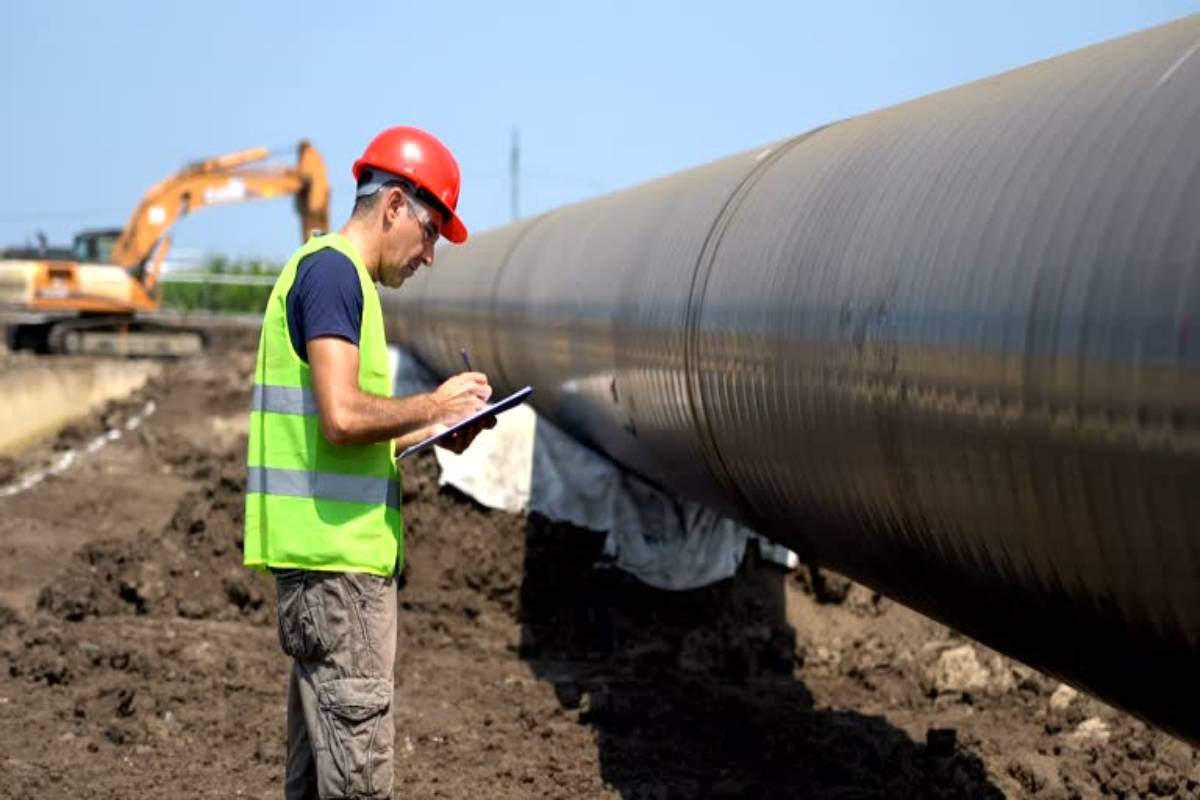
The right pipeline compliance service helps construction businesses meet regulatory standards and avoid costly violations. Managing this infrastructure requires adherence to federal and state requirements while maintaining operational safety. A qualified partner with the right expertise, technology, network and local knowledge simplifies this process.
Table of Contents
Evaluation Criteria for Compliance Providers
Businesses must know what distinguishes qualified providers from those lacking the necessary capabilities. The following criteria serve as a foundation for making an informed decision that protects both project integrity and long-term operations.
Assess Regulatory Knowledge and Experience
Providers must demonstrate current and comprehensive knowledge of federal and state regulations. Pipeline Safety and Hazardous Materials Safety Administration (PHMSA) oversight requires operators to adhere to U.S. Department of Transportation regulations outlined in 49 CFR Parts 190-199, which govern facility inspections, incident investigations, integrity management programs and corrosion control protocols.
All procedures must align with the safe design, construction and operation of hazardous materials pipelines.
Operators are required to maintain procedural manuals covering operations, maintenance and emergency response. The Code of Federal Regulations specifies that each operator must prepare and follow a manual of written procedures for conducting normal activities, and a qualified provider understands these rules while helping develop documentation that meets compliance standards.
Review Past Performance and Client Feedback
Entities should request case studies and other evidence of successful projects of a similar scale and complexity. Speaking with both current and former clients reveals how the provider handles challenges and delivers results, while online ratings and feedback offer additional perspectives on reliability and service quality.
Confirm Local Availability and Audit Support
Work with a provider familiar with local environmental conditions and compliance landscapes. These specialists understand area-specific guidelines and can address issues quickly when they arise. During audits, having hands-on support from a provider who knows the project details makes the process smoother. Proximity to project sites allows for more effective oversight and faster action.
Evaluate Service Reliability and Technology Use
Technology plays an increasingly important role in pipeline safety and adherence to standards. Real-time monitoring systems paired with Supervisory Control and Data Acquisition (SCADA) platforms continuously track pressure, flow rates and temperature while flagging anomalies instantly to maintain operational limits and prevent violations.
Artificial intelligence and predictive analytics help examine historical and real-time data to identify potential failure points before they escalate into violations or environmental incidents. Innovations in pipeline monitoring also continue to advance how companies maintain compliance while protecting infrastructure investments.
The Real Cost of Noncompliance
Failure to comply carries significant consequences, and companies can face substantial financial penalties. Operators dealing with leaking natural gas pipelines and similar issues have faced costly reprimands from regulatory agencies, with Colorado alone issuing $1.7 million in fines in 2023.
In another case, a gas pipeline operator in Texas paid $1.425 million for violations that resulted in the death of an employee. “The outcome illustrates the importance and necessity of compliance and appropriate enforcement actions to prevent and address tragic circumstances such as those alleged in this case,” said United States Attorney Ryan Raybould in a press release.
What to Ask a Potential Pipeline Compliance Service Provider
The following questions reveal important information about capabilities, processes and costs.
- How much do pipeline compliance services cost? Pricing varies based on scope, duration and complexity, so request a detailed breakdown of fees and what’s included at each price point.
- Can I see case studies of your work with similar companies? Case studies should demonstrate outcomes and lessons learned from projects similar in size and industry.
- What is your process for onboarding new clients? A well-defined onboarding approach typically includes discovery meetings, gap analysis, development of a customized roadmap and clear timelines.
- How do you handle regulatory audits and inspections? Ask about their roles during inspections and how they prepare documentation with specific examples of audit outcomes.
- What areas do you serve? Knowing their service footprints helps determine if they can support all current and future project locations.
5 Top-Rated Pipeline Compliance Providers
Each provider offers specialized expertise to help enterprises maintain regulatory compliance across the energy value chain.
1. Altamira
Altamira brings vast experience solving complex challenges for companies in energy, power generation, chemical manufacturing and chemical processing. Technology-driven solutions streamline, simplify and automate processes while expanding data access for clients to use for current and future work.
Licensed in over 20 U.S. states, Altamira offers broad expertise backed by specialists who understand varying state laws and federal standards. Its service model focuses on delivering value, quality and specialized knowledge that helps clients maintain operational integrity throughout project life cycles.
Key offerings include:
- Serving clients across the energy value chain from upstream operations to downstream distribution
- Dedicated teams for PHMSA compliance and state-specific regulatory requirements
2. TRC
TRC provides environmental and engineering capabilities with a focus on infrastructure projects. With offices throughout the country, the brand supports regional and national work across the United States.
TRC’s team includes experts experienced in pipeline safety regulations and permitting processes. Its services span multiple industries, including energy, transportation and utilities, offering clients integrated environmental and engineering solutions under one roof.
Key offerings include:
- Handling both new pipeline construction permits and existing system modifications
- On-site project management and emergency response coordination
3. ROSEN Group
ROSEN Group specializes in pipeline integrity and diagnostic services worldwide. The organization offers in-line assessment, integrity management and asset reliability solutions while serving the oil and gas, chemical and power generation industries with technology-based approaches to pipeline safety.
Its advanced diagnostic tools and data analysis capabilities help operators identify potential issues before they become violations. Operating globally with regional teams supporting work across North America, ROSEN brings international experience to local markets.
Key offerings include:
- Proprietary intelligent pigging technology for real-time pipeline condition monitoring
- 24/7 emergency response teams for critical pipeline incidents
4. DNV
DNV delivers pipeline advisory, assessment and assurance capabilities across the energy industry. Its risk management, technical safety and compliance support form the core of its offerings for pipeline operators.
At the same time, its integrity assessments, certification and training programs help clients meet federal and state mandates. A global network brings U.S. pipeline regulatory expertise to clients in North America and internationally.
Key offerings include:
- Independent third-party verification services recognized by regulatory agencies
- Customized training programs for operator qualification requirements
5. Wood PLC
Wood PLC offers consulting and technical capabilities for pipeline safety and compliance. It assists operators with compliance management, integrity programs and reporting across the U.S., with particular expertise in the energy industry.
The company provides support for PHMSA mandates and state-specific regulations. Gap analysis, documentation development and audit preparation round out Wood’s portfolio of specialized offerings.
Key offerings include:
- Operator qualification programs aligned with API and PHMSA standards
- Emergency response plans and conducts tabletop exercises for pipeline operators
Provider Comparison Summary
Placing the top providers side by side reveals important differences in approach and services.
| Provider | Regulatory Focus | Technology Integration |
| Altamira | Federal and multi-state licensing in 20+ states | Advanced automation and data management tools |
| TRC | Federal and state permitting | Environmental assessment platforms |
| ROSEN Group | Integrity and inspection standards | In-line inspection tools and analytics |
| DNV | Risk management and certification | Assurance and assessment platforms |
| Wood PLC | PHMSA and state-specific requirements | Compliance management systems |
Common Questions About Pipeline Compliance Services
The following questions address practical concerns businesses often face when selecting and working with a compliance partner.
What is the typical cost of pipeline compliance services?
Every engagement differs in scope, duration and complexity. Fee structures based on specific work suit short-term needs, while retainer agreements work better for ongoing support. Hourly consulting rates apply when enterprises need expertise for limited periods. Factors influencing cost include scale, compliance environment, geographic location and the level of documentation necessary. Requesting detailed proposals that break down deliverables helps businesses compare options effectively.
What does the onboarding process involve?
Most providers begin with a discovery phase where they learn about existing procedures, requirements and compliance history. A gap analysis follows to identify areas where current practices fall short of standards, and from there, the provider creates a customized roadmap outlining milestones and timelines. This structured approach ensures both parties understand expectations before any work begins.
How often should compliance procedures be reviewed?
PHMSA guidelines specify that operators must assess and update procedural manuals at intervals not exceeding 15 months, with evaluations required at least once each calendar year. A qualified provider helps facilitate this cycle by monitoring changes, updating documentation and training personnel on new mandates. Consistent assessments reduce the risk of violations and keep operations aligned with evolving standards.
Next Steps for a Successful Compliance Strategy
The right choice goes beyond cost considerations to include expertise, technology capabilities and regional knowledge. Proactive vetting and clear communication establish a foundation for long-term success and safety. Brands that invest in qualified partners position themselves to avoid expensive violations while maintaining operational integrity across all pipeline assets.
