
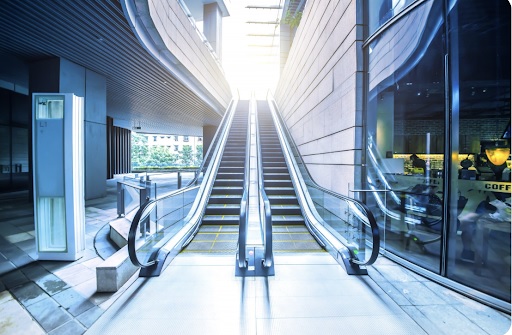
Escalators play a crucial role in facilitating the transit of people through malls and airports. They ensure huge spaces keep flowing and prevent crowding. However, they do not last forever. With years of usage, an elevator may experience wear and tear.
Consequently, breakdowns become frequent. This results in higher maintenance bills. Safety, too, becomes questionable. At this point, the establishment owner must make a decision: should they modernize the escalator or undertake a full escalator replacement? The answer depends on several factors. Read on to know.
Table of Contents
Escalator Modernization
Modernization involves upgrading specific components of the escalator. So, the truss and frame are intact. In this, instead of removing the entire unit, only some components are replaced. It is less disruptive and relatively cheaper.
Modernization works best when the escalator is still structurally sound. If the truss is stable, it would be wise to extend the system’s life with new technologies.
Benefits of Modernization
- Improved Safety: Modernization involves the installation of new controllers and sensors. It may also integrate upgraded braking systems. So, you update the old units with the current codes.
- Energy efficiency: Latest drives and standby features help reduce electricity bills.
- Comfort and reliability: When you modernize the systems, passengers experience a smooth ride. The vibrations are also eased.
- Aesthetic Upgrade: Sometimes, modernization is only to make the escalator visually appealing. It involves updating cladding or lighting to align with the building’s style.
- Reduced Downtime: Unlike full escalator replacement, modernization is done in stages. So, there’s no need for prolonged shutdowns.
Full Escalator Replacement: A Total Reset
Sometimes, modernization is not viable. When the escalator has reached the end of its life, undertake full escalator replacement. This procedure is safer and more reliable. It involves the removal of the existing unit and the installation of a brand-new one.
Replacement is best when escalators are quite old, say between 20 and 25 years or more, and the units break down frequently. It is equally recommended when there has been an increase in demand for traffic load that escalators can no longer handle.
Advantages of Full Replacement
- All new parts: None of the old parts are reused. So, it is far more reliable.
- Guaranteed compliance: New systems automatically comply with all up-to-date safety and accessibility standards.
- Reduced maintenance needs: With new parts, there will be fewer service calls and downtime.
- Energy saving: Modern escalators result in energy reductions by 30%.
- Aesthetic appeal: The installation of one new escalator instantly enhances the property’s visual appeal.
Replacement Alternatives
- With truss replacement: The entire escalator, including its truss, is removed and replaced. This option requires more space for execution and planning time, but provides a full reset.
- Without truss replacement: Also called ’in-truss’ solution, it leaves the present truss intact and replaces everything else. This reduces the construction work and allows for the replacement of units one at a time.
- Full escalator replacement: It is sensible for older systems that have become unreliable or unsafe. It also makes sense when the current escalator is unable to meet the contemporary passenger loads.
Choosing Between Modernization and Replacement
Your choice depends on:
- Age and condition: Modernization works when the truss is solid or the escalator is <20 years old. If not, replacement is recommended.
- Traffic levels: Has the footfall increased since the escalator’s installation? If so, replacement may be the path to go.
- Safety requirements: Is the system compliant with current standards? If major upgrades are needed, replacement is a better option.
- Budget: Upfront costs are lower for modernization. Conversely, the replacement requires a higher upfront investment. However, it results in greater long-term savings.
- Tolerance to downtime: Modernization can be phased. So, there is less downtime. A replacement is more intrusive, but it gets the job done in one go.
