
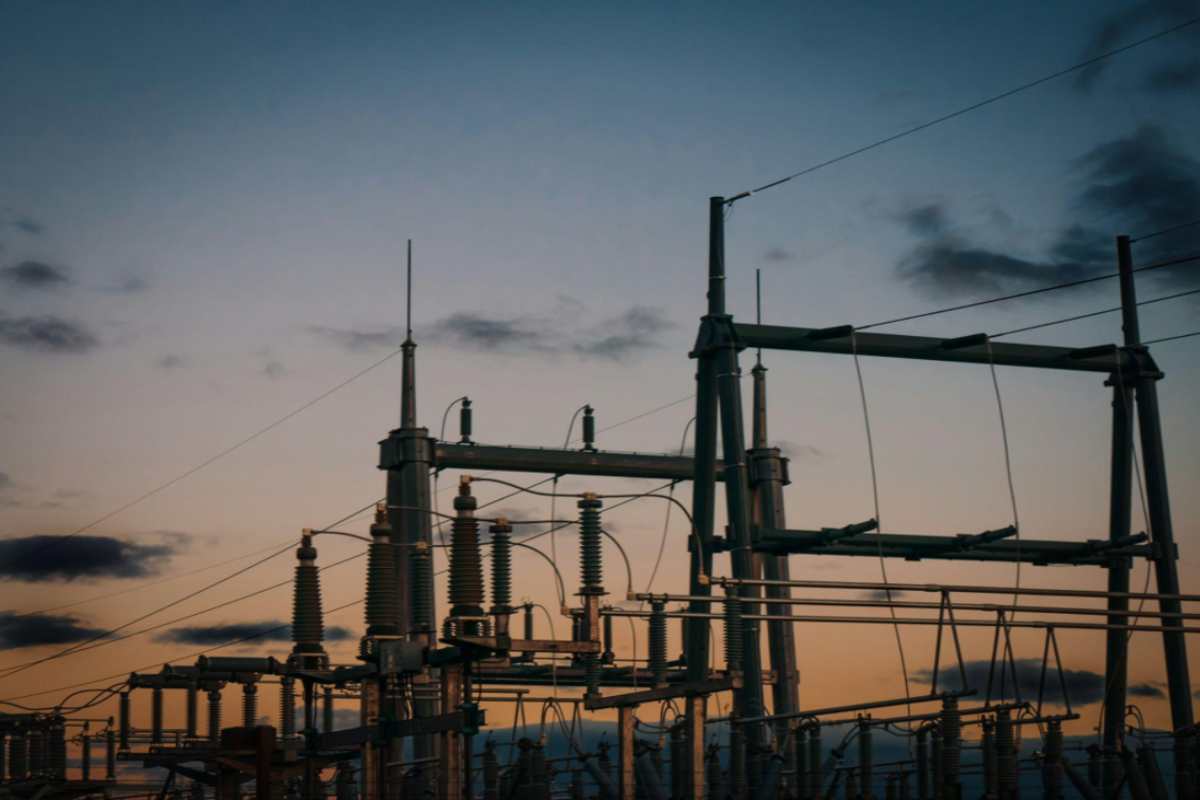
With electricity demand rising rapidly, policymakers, utilities, and grid operators are evaluating a range of solutions to increase grid capacity and maintain reliability. One of the most promising approaches is Advanced Transmission Technologies (ATTs). Energy strategist Emily Sanford Fisher says that ATTs are an option that can provide additional capacity on the existing transmission system without requiring the construction of entirely new power lines.
Table of Contents
The Grid Needs More Capacity Now, Not Decades From Now
Electricity moves from where it is generators to where it is consumed via a web of transmission lines. These can only safely transmit a limited amount of power, depending on the voltage of the line. In many parts of the country, the existing grid is already operating near these capacity limits, creating congestion that can delay the connection of new energy resources, reduce reliability, and increase costs for consumers.
Building new lines can take years – even decades – due to permitting requirements, environmental reviews, land acquisition, and community opposition. Advanced Transmission Technologies offer an opportunity to improve the performance of today’s grid by helping transmission owners and operators use existing infrastructure more efficiently.
“The laws of physics matter when transmitting electricity from generators to customers. When too much power is loaded onto a line, the wire overheats because of electrical resistance. This causes it to expand and sag. If lines are too close to the ground, they can ignite dangerous fires if they come into contact with dry trees and grass. Hot, sagging lines also can trigger automatic safety shut downs that can cause cascading black outs,” said Emily Sanford Fisher. “Historically, to avoid these dangerous and unsafe outcomes, the amount of power that a line could carry was limited, with margins for even greater safety. Better safe than sorry was the thinking,” she continued.
What Are Advanced Transmission Technologies?
There is no single technology that qualifies as an ATT. The term refers to a range of tools that improve how electricity flows through the transmission network. Some increase the amount of electricity existing power lines can safely carry, while others improve operators’ visibility into grid conditions or direct power along less congested routes. These solutions help utilities and grid operators make better use of the infrastructure that is already in place. “These solutions allow us to put more power on existing lines without risking dangerous outcomes,” said Sanford Fisher.
Some of the most widely discussed Advanced Transmission Technologies include:
- Dynamic Line Ratings (DLR): These systems use real-time weather and operating conditions to determine how much electricity a transmission line can safely carry, rather than relying on conservative static ratings based on worst-case conditions.
- Advanced Conductors: New conductor materials can carry significantly more electricity than traditional transmission wires while using the same towers and rights-of-way, allowing utilities to increase capacity through reconductoring rather than building entirely new lines.
- Grid-Enhancing Technologies (GETs): This category includes technologies such as power flow controllers and topology optimization software, which help manage how electricity moves through the network, reducing congestion and improving the utilization of existing assets.
- Advanced Monitoring and Sensing Systems: Sensors installed throughout the transmission network provide operators with real-time data on line conditions, equipment performance, and grid operations, supporting more informed and efficient decision-making.
How ATTs Expand Grid Capacity Without Building New Power Lines
Although each technology serves a different purpose, they all help unlock additional capacity from the existing transmission system. By enabling transmission lines to carry more electricity, improving the flow of power across the grid, and giving operators better real-time visibility into system conditions, Advanced Transmission Technologies allow utilities to expand grid capacity without constructing entirely new transmission corridors.
“Utilities are starting to deploy these technologies with impressive results,” said Sanford Fisher. “Dynamic line rating tools, for example, allow utilities to put power on a line when the ambient conditions are right – when it is windier or colder out – such that concerns about overloading and overheating lines are minimized. Utilities that are using “DLR” to put more power on lines when they are finding that this tool helps them get more power to customers at lower cost,” she continued.
Why Regulators Are Paying More Attention to ATTs
The Federal Energy Regulatory Commission (FERC), the independent agency responsible for regulating interstate electricity transmission and wholesale electricity markets, has adopted a series of reforms that place greater emphasis on Advanced Transmission Technologies.
One of the most significant was FERC Order No. 881, which requires transmission providers to implement ambient-adjusted ratings.
“Order No. 881 recognizes that transmission lines don’t operate under the same conditions every day,” Sanford Fisher said. “Using real weather data instead of static assumptions allows operators to safely increase the amount of electricity many existing lines can carry. It’s a practical way to improve grid capacity using infrastructure that’s already in service,” she continued. ”This was an important step toward ATTs and a more optimized, modern transmission system”
FERC took another important step to encourage greater ATT deployment through Order No. 1920, which updates the requirements for long-term regional transmission planning. The final rule requires planners to evaluate Advanced Transmission Technologies, including dynamic line ratings, advanced conductors, and other grid-enhancing technologies, when assessing future transmission needs.
“Order No. 1920 encourages planners to consider the full range of available solutions,” Fisher explained. “Advanced Transmission Technologies can provide meaningful capacity improvements in many situations, and they should be evaluated alongside new transmission projects as part of a comprehensive planning process.” She continued, “ATTs will not replace new transmission development, but are an important complement that should be considered during the planning process,”
More recently, in show cause orders that address the interconnection of new large loads, like data centers, issued at the end of June, FERC directed the regional transmission system operators to explicitly consider ATTs as a way to expedite these customers’ access to the grid. “By creating additional capacity without system expansion, ATTs can not only help new large customers access to power faster, but they can reduce the costs for all customers by avoiding expensive network upgrades,” explained Sanford Fisher. “This is another important step in formally recognizing the benefits of ATTs,” she said.
The U.S. Department of Energy has increased funding and technical assistance for grid modernization initiatives, while Regional Transmission Organizations (RTOs) and Independent System Operators (ISOs) are incorporating Advanced Transmission Technologies into transmission planning as electricity demand continues to grow.
What Advanced Transmission Technologies Can and Cannot Solve
Advanced Transmission Technologies offer significant opportunities to strengthen the electric grid, but they are not a complete solution to every transmission challenge. Their value depends on where they are deployed, the condition of the existing system, and the needs of the region.
In many cases, ATTs can increase transmission capacity much faster than traditional infrastructure projects. They can help relieve congestion on heavily used transmission lines, improve reliability during periods of high demand, and make better use of existing assets. By increasing the efficiency of the current network, they can also delay some costly infrastructure upgrades, improve the performance of wholesale electricity markets, and help reduce costs for consumers.
“One of the biggest advantages of Advanced Transmission Technologies is speed,” Sanford Fisher explained. “Many of these technologies can be deployed within existing transmission corridors, allowing utilities to increase capacity and improve system performance without waiting years for major construction projects to be completed.”
Sanford Fisher also noted that improving the utilization of the existing grid can deliver benefits across the electricity system.
“When you reduce congestion and make better use of transmission assets, you create opportunities for more efficient power flows, greater system flexibility, and lower overall costs,” she said. “Those improvements benefit utilities, generators, and electricity customers alike and are worth the investment, even when ATTs may cost more up front than traditional technologies: they save money over the long run.”
Still, Advanced Transmission Technologies have clear limitations. They cannot address every capacity increase the grid will need as electricity demand continues to grow. “Advanced Transmission Technologies should be viewed as one part of a broader transmission strategy,” Sanford Fisher said. “The grid definitely requires new transmission infrastructure now, continued investment in existing assets, and technologies that help the system operate more efficiently. These approaches work best when they are planned together.”
About Emily Sanford Fisher
Emily Sanford Fisher is the founder of Enodia Energy, where she advises utilities, regulators, industry groups, and nonprofits on electricity markets, transmission policy, grid modernization, and long-term energy strategy. She previously served as Chief Strategy Officer at the Smart Electric Power Alliance and as Executive Vice President, Clean Energy, and General Counsel at the Edison Electric Institute.
