
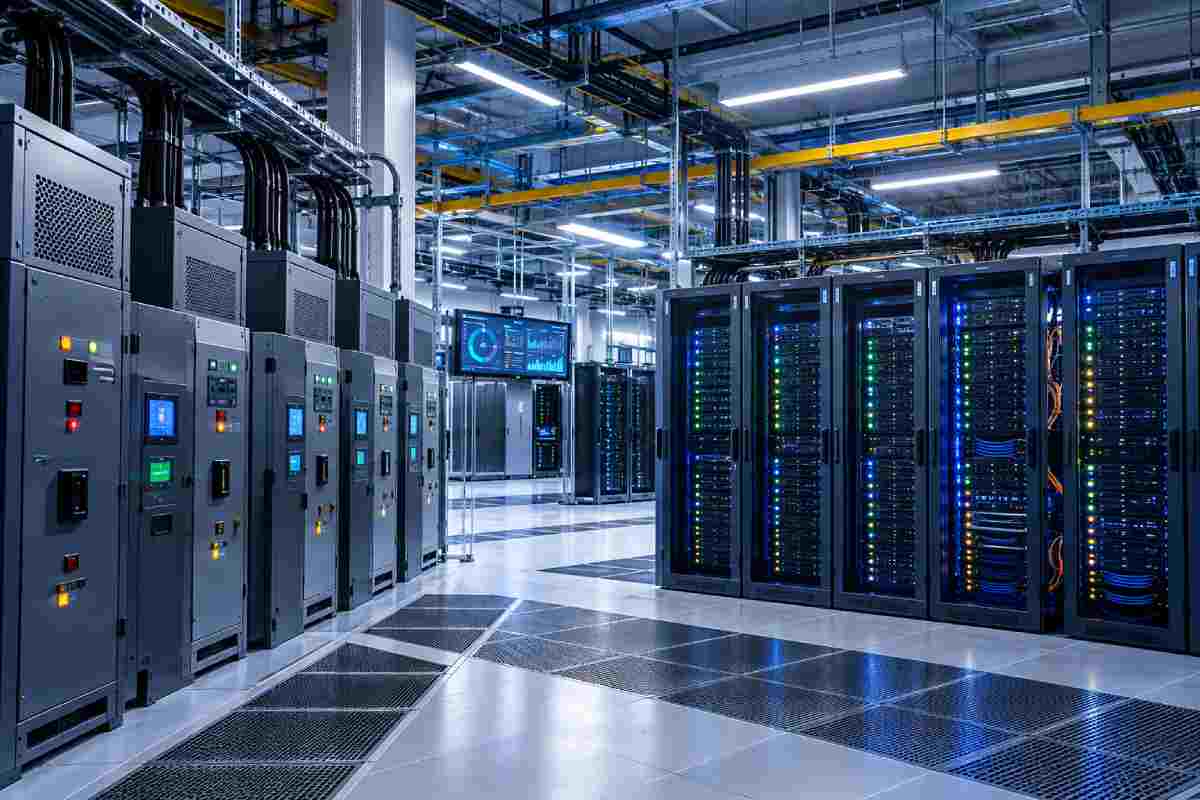
AI workloads demand unprecedented amounts of power while tolerating zero downtime. To achieve this, data centers must now deliver consistent, uninterrupted electricity for weeks of continuous processing. The shift in workload needs has prompted the industry to adopt stricter redundancy standards for critical infrastructure.
This guide leverages the expertise of Sunbelt Solomon, a leading electrical power solutions provider. The company offers a complete life cycle of power solutions, offering reconditioned equipment alongside comprehensive service capabilities. Drawing on its experience with data centers, this guide explores 2N+1 and rental power solutions for meeting evolving energy requirements.
Table of Contents
Understanding 2N+1 Architecture
The 2N+1 redundancy configuration provides a high level of power reliability to data centers. Understanding what each component of this designation means helps clarify why facilities supporting AI workloads have adopted this standard. Here is what each term means:
- N: The bare minimum power or cooling to run the data center at full load.
- 2N: Two completely separate, mirrored systems where each system can carry 100% of the load on its own.
- +1: An extra backup component.
- 2N+1: Combines two fully independent distribution paths with extra spare components, offering maximum fault tolerance.
In an AI data center, 2N+1 architecture functions as a comprehensive safety net for continuous operations. The facility maintains two parallel electrical distribution systems, each independently handling the entire computational load. If one path fails, the second path immediately assumes full responsibility without interrupting training runs or inference operations.
The additional spare component enables technicians to perform maintenance on either path without reducing redundancy. This configuration ensures that even during scheduled service or unexpected component failures, the facility retains complete backup capability.
Why 2N+1 Matters for AI Data Centers
As artificial intelligence scales across industries, the financial stakes of power failure have increased dramatically. A single outage during a machine learning training run can erase weeks of computational progress. According to the Uptime Institute, 57% of major data center outages cost more than $100,000.
The 2N+1 configuration matters for facilities supporting AI operations by eliminating single points of failure and preventing catastrophic data loss during multi-week runs. The 2N design provides power-density protection, with dual independent paths preventing the facility’s total load from overloading a single distribution path. The +1 component allows routine repairs without dropping system redundancy, enabling maintenance teams to service equipment while the facility maintains full fault-tolerant protection.
While these features provide substantial protection for AI operations, implementing a 2N+1 architecture incurs high costs. The infrastructure can cost 25% to 40% more due to the sheer volume of equipment. Facilities must accommodate twice the electrical distribution infrastructure, redundant cooling systems and additional floor space for equipment placement.
Complementing 2N+1 With Strategic Approaches to Power Reliability
2N+1 architecture offers a highly reliable solution for preventing downtime and outages. Despite this reliability, no permanent infrastructure can account for every operational challenge. The high costs and complex requirements of implementing advanced redundancy can also strain operational budgets and extend project timelines.
Organizations must consider strategic approaches to preventing downtime issues. Sunbelt Solomon shares several key strategies for protecting infrastructure investments:
- Durable equipment: Data centers should prioritize equipment that protects power performance during demand fluctuations. Choosing the right backup systems is essential to safeguard power transitions during interruptions.
- Preventive maintenance programs: Regular maintenance catches issues early to preserve power supply efficiency, reduce long-term costs and extend equipment lifespan before problems escalate into major failures.
- Responsive field service: Organizations should use field service that deploys skilled technicians on-site to perform rapid repairs and minimize downtime during peak periods.
“At the end of the day, data centers need to invest in solutions that prevent downtime. Even a brief power outage can disrupt services, leading to expensive delays. With the right equipment and service, your operation can protect its power supply, which is growing with demand,” says Sunbelt Solomon.
Are Temporary Power Solutions a Good Value for Data Centers?
Among various complementary strategies, temporary power equipment stands out as a viable approach for preserving power supply integrity. Permanent infrastructure alone cannot provide immediate solutions to operational disruptions or unexpected outages. Rental power systems can address these gaps by delivering capacity precisely when facilities need it most.
According to Sunbelt Solomon, temporary power solutions can bridge utility delays and support “a data center ready to test, commission, and go live – before the permanent utility equipment arrives.” The provider shares how rental power solutions can offer value to data centers in the following ways:
- Guaranteed uptime: Rental equipment can keep operations running during downtime. Facilities continue normal functions without waiting through procurement delays or extended repair timelines.
- 24/7 emergency service: Round-the-clock service ensures facilities receive the necessary equipment during outages or equipment failures.
- Flexibility: Rental agreements can accommodate both short-term emergency needs and long-term operational requirements.
- Cost allocation: Renting affects only day-to-day operational expenses. It does not require up-front capital investment, so facilities can gain lasting support without committing to purchases.
Beyond selecting the right infrastructure, partnering with experienced professionals ensures that the rental power integration proceeds smoothly. Proper system design, safe installation, compliance with electrical codes, and seamless coordination with existing infrastructure all require specialized expertise for proper execution.
Frequently Asked Questions
These answers address common questions about redundancy architectures and temporary power deployment.
What is the primary difference between N+1 and 2N+1 redundancy?
N+1 redundancy provides a single backup component for each critical system in the power chain. If one component fails, the backup unit assumes the load. 2N+1 redundancy fully mirrors the entire power infrastructure, creating two independent paths that each support 100% of the facility load. An additional spare component sits on top of this dual system, enabling maintenance without reducing redundancy.
When should a data center consider using temporary power equipment?
Facilities should evaluate temporary power options during major infrastructure upgrades, utility grid delays or unexpected outages, when continuous uptime remains critical. Rental power solutions provide immediate capacity while permanent equipment is being manufactured, shipped or installed.
How does rental power equipment help maintain 2N+1 redundancy during long-term repairs?
If a critical component in a 2N+1 setup fails and requires lengthy repair, service providers can immediately deploy rental power equipment to fill the gap. Quick responses help the facility maintain its fault-tolerant rating while it waits for replacement parts or specialized repair services. Temporary transformers, switchgear or related distribution equipment can integrate with existing infrastructure to preserve redundancy levels throughout the repair cycle.
Navigating the Future of AI Infrastructure
The financial cost of downtime makes power reliability nonnegotiable for AI operations. While 2N+1 architecture delivers exceptional fault tolerance, rental power equipment provides immediate capacity during equipment failures, repairs and utility delays. Organizations that establish sound contingency strategies ahead of time can better protect their infrastructure and ensure that workloads run uninterrupted through unforeseen challenges.
