

Modernizing waste management operations is no longer optional for cities facing mounting pressure to improve efficiency and meet strict regulatory requirements. Manual systems create data fragmentation that makes accurate reporting nearly impossible, alongside billing delays that directly strain city budgets.
Digital waste management software addresses these operational pain points head-on by streamlining processes and giving city managers the visibility they need to make informed decisions. This shift is especially important as cities face higher service expectations, tighter budgets and growing demand for transparent environmental data.
Table of Contents
The Challenges of Manual Waste Management Systems
Manual invoicing typically means someone reentering weight-ticket data into a separate billing system by hand. This is exactly where errors creep in and where billing cycles get delayed waiting on a person rather than a system. The result is revenue leakage from unbilled transactions and strained relationships with customers who receive incorrect invoices.
Tracking weights and materials without a dedicated system usually means data living in disconnected spreadsheets or paper logs. Determining how much material was processed in a given month requires reconciling multiple sources manually. This fragmentation makes it nearly impossible to identify operational trends or respond quickly to auditor requests.
The EPA recognizes this kind of fragmentation, funding several digital tracking tools to close data gaps in the recycling and waste system. Better underlying data enables accurate reporting and smarter operational decisions. Without it, cities are operating blind.
Key Attributes to Look for in Waste Management Software
Customization matters because no two cities run identical operations. A system that cannot adapt to local billing structures, ticket formats or reporting requirements becomes a workaround factory rather than a solution. Operations teams should not have to change their workflows to fit rigid software limitations.
Reporting and analytics capability determines whether staff can actually answer an auditor’s or council member’s question on demand. Manual report compilation every time the question comes up wastes time and creates opportunities for error. The best systems allow users to generate reports instantly from any angle the operation needs.
Regulatory compliance support and integration with existing systems both reduce the risk of a new system becoming an isolated island of data. When waste management software connects seamlessly with accounting platforms, GIS tools and fleet management systems, the entire operation runs more efficiently. Strong return on investment follows naturally from these capabilities.
Top-Rated Waste Management Software Solutions for Cities
Cities looking to modernize their waste operations have several strong software options available. Each platform brings different strengths depending on operational priorities and the specific challenges a city faces.
1. Paradigm Software
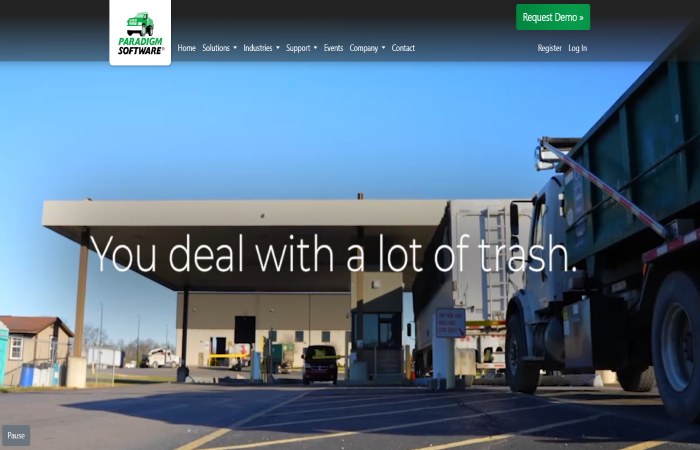
Paradigm Software brings over 30 years of experience in weighing and routing software. Its WeighStation platform is built around flexibility, letting cities configure the system around their existing operational workflows rather than forcing operations to adapt to the software. Custom ticket building lets operations capture the exact transaction details their reporting requires, while cooperative contracts give municipalities a streamlined procurement path.
The platform’s key features include:
- Fast transaction processing: Customers report processing times dropping from over a minute to under 10 seconds compared to legacy systems.
- Custom ticket building: Transaction tickets can be configured around each operation’s specific reporting needs.
- Cooperative contracts: Municipalities can adopt the platform through cooperative purchasing agreements.
- Robust reporting: Operations can report on anything relevant to their workflow without custom development work.
2. AMCS Platform
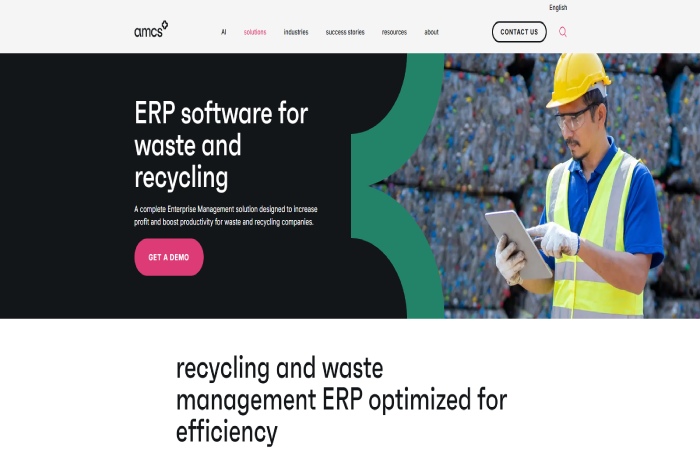
AMCS Platform is a cloud-based ERP built for large operations, managing the full scope of waste and recycling activities in a single connected system. The platform is designed to scale with an operation’s growth and adapt to changing regulatory requirements as the industry shifts toward a more circular economy model.
The system offers these core capabilities:
- Full value chain coverage: The platform spans collection and treatment through recycling, commodity sales and landfill management.
- Cloud-based scalability: A cloud architecture supports growth without added IT infrastructure burden.
- Automated billing: Built-in accounts receivable and payable tools streamline invoicing and payments.
- Route planning tools: The core platform includes asset and route management features.
3. Sensoneo
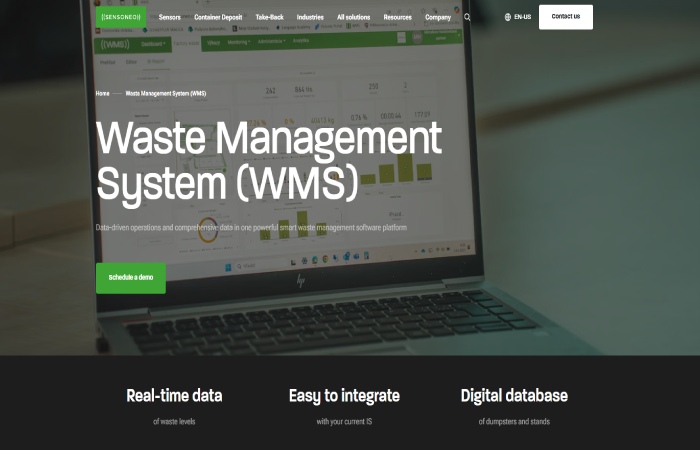
Sensoneo takes a different approach by centering its platform on smart sensors and IoT technology. Cities gain real-time visibility into the status of containers and dumpsters across their entire service area. The system is built to reduce wasted collection trips by showing exactly which containers actually need a pickup.
Notable platform features include:
- Digital container map: All containers and dumpsters appear on a live map with real-time fill levels.
- Predictive fill alerts: Historical fill-cycle data is used to predict when a container will reach capacity.
- Automated pickup detection: Sensors detect and log pickups automatically to support route verification.
- Multi-language support: The platform is available in more than 10 languages.
4. Cority
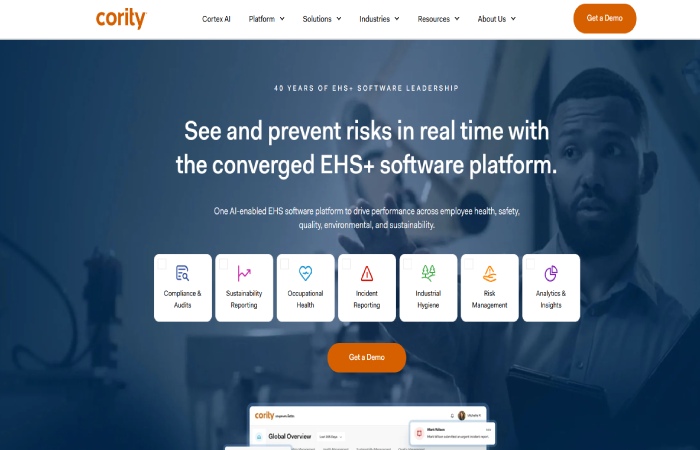
Cority focuses on environmental compliance and ESG reporting, making it a strong fit for cities where regulatory documentation is the primary operational pressure point. The platform centralizes data across an entire operation rather than treating compliance as a separate manual process.
The solution provides these compliance-focused features:
- Centralized data tracking: Waste generation, storage and transport data are captured in one platform.
- Hazardous and nonhazardous coverage: Compliance tracking spans both waste stream categories.
- Automated workflows: Task management and process automation reduce manual reporting effort.
- ESG reporting tools: Built-in sustainability metrics support broader environmental reporting goals.
Frequently Asked Questions
City managers evaluating waste management software often have similar questions about implementation and operational impact. The answers below address the most common concerns.
1. What are the main challenges of relying on manual waste management systems?
Manual systems create three primary problems that directly impact city operations:
- Invoicing errors occur when staff manually reenter weight-ticket data into billing systems, leading to revenue loss and customer disputes.
- Tracking becomes fragmented when data lives in disconnected spreadsheets or paper logs, making it nearly impossible to answer basic operational questions quickly.
- Visibility suffers because manual processes cannot provide real-time insights into what is happening across the operation.
2. What are the most important features to look for in waste management software?
Here are some key features to look for in waste management software:
- Customization capability is critical because every city runs unique operational workflows that software must accommodate.
- Robust reporting and analytics tools enable staff to generate answers on demand rather than compile manual reports every time a question arises.
- Ease of use affects adoption rates and determines whether the system actually gets used as intended.
- Strong integration with existing systems ensures that the new platform enhances, rather than disrupts, current operations.
3. How does upgrading to a digital solution improve regulatory compliance?
Digital platforms improve compliance by automating data tracking and centralizing information within a single accessible system. Auditors can receive accurate reports instantly rather than waiting for staff to compile information from multiple sources. Automated workflows reduce the risk of missed deadlines or incomplete documentation. Better underlying data quality means reports reflect actual operations rather than best guesses based on incomplete records.
Driving Efficiency and Sustainability in City Operations
The right waste management software gives cities the operational visibility they need to make informed decisions and meet increasingly strict regulatory requirements. Platforms that offer strong customization, robust reporting and seamless integration deliver measurable returns through reduced processing times and improved data accuracy.
City managers ready to modernize their operations should evaluate solutions based on how well they align with existing workflows and long-term operational goals. By choosing software that matches operational needs, cities can reduce manual work, improve accountability and build more resilient waste management programs over time.
