
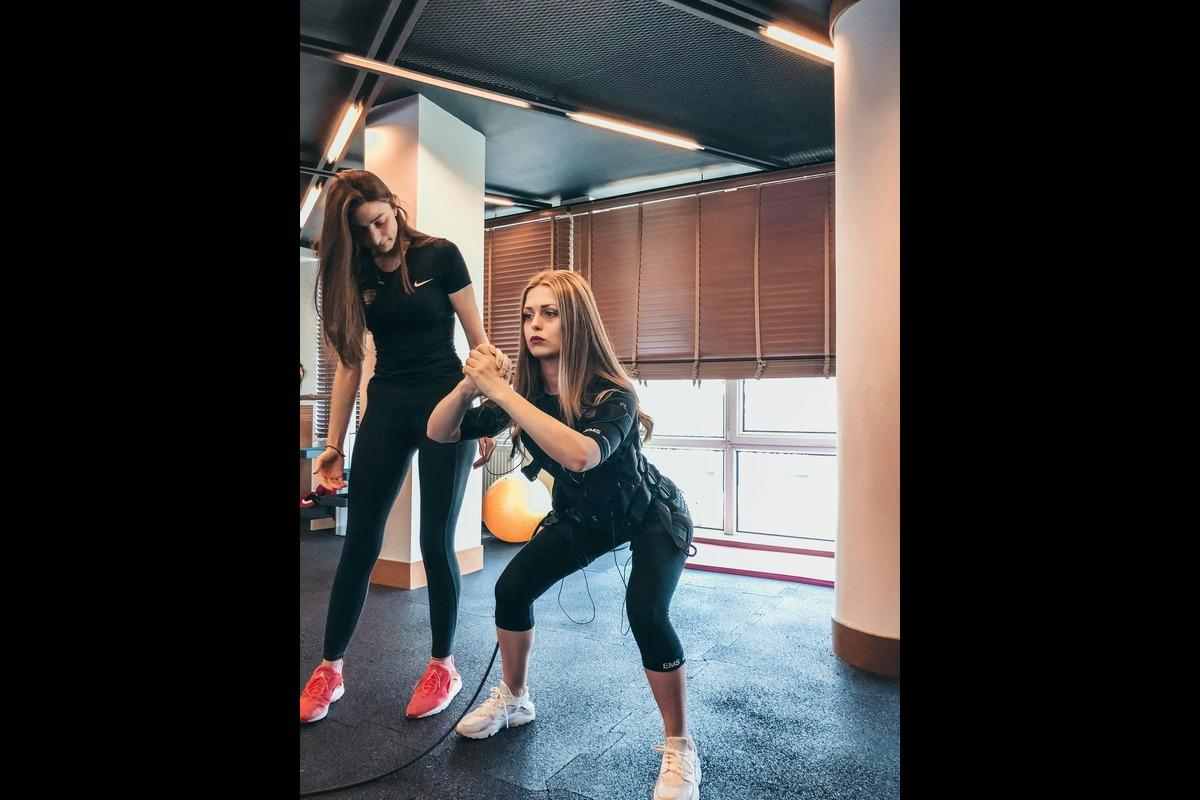
EMS workouts, short for electrical muscle stimulation training, might sound like a new fad, but it’s been around for a while in certain workout circles. It was originally used in physical therapy to help patients recover muscle function after injury. In recent years, the method has entered the mainstream fitness space, marketed as a fast and efficient alternative to traditional training. Sessions last just 20 minutes, and EMS promises high-intensity results within that timeframe. So naturally, it’s become extremely appealing to professionals with demanding schedules. For personal trainer Eugene Pallisco, the rise of EMS reflects a broader demand for efficiency, but also highlights the importance of understanding how the body actually responds to certain types of training.
Table of Contents
What Are EMS Workouts And How Do They Work?
EMS workouts involve wearing a specialized suit that delivers electrical impulses to major muscle groups while performing guided exercises. These impulses stimulate muscle contractions, theoretically increasing the intensity of each movement. Sessions are typically short and structured, focusing on simple patterns such as squats, lunges, and core work. The idea is that by activating more muscle fibers at once, individuals can achieve similar or greater results in less time. This has made EMS appealing to those who want a streamlined approach to fitness without long gym sessions.
Are EMS Workouts Really As Effective As Traditional Training?
While EMS can increase muscle activation, effectiveness depends on how the body responds over time. Strength and muscle development rely on progressive overload, which involves gradually increasing resistance and challenge. Pallisco notes that this process is difficult to replicate fully through electrical stimulation alone.
Short sessions may feel intense, but intensity alone does not guarantee long-term results. Without consistent progression, improvements in strength and performance can plateau. EMS may offer a stimulus, but it does not replace the need for structured training programs.
Why EMS Appeals To Busy Professionals
Time efficiency is one of the biggest selling points of EMS training. With sessions lasting around 20 minutes, it fits easily into tight schedules. This convenience has made it especially popular among professionals who struggle to commit to longer workouts.
The guided nature of the sessions also removes decision-making. Clients follow instructions while the technology handles part of the workload, which can feel appealing for those new to fitness or looking for a simplified routine.
Is The “20 Minute Workout” Claim Too Good To Be True?
The idea that a short session can replace hours of training is one of the most debated aspects of EMS. Pallisco explains that while shorter workouts can be effective, results still depend on consistency, effort, and progression over time. A 20-minute session can contribute to fitness, but it should not be viewed as a complete substitute for a well-rounded program. Strength, endurance, and mobility each require targeted work that extends beyond a single format.
Safety Considerations And Potential Risks
EMS training has raised concerns around safety, particularly when used at high intensities or without proper supervision. Excessive stimulation can lead to muscle strain or, in rare cases, more serious complications if protocols are not followed correctly. Eugene Pallisco emphasizes gradual progression and qualified guidance. As with any training method, pushing intensity too quickly can increase risk rather than improve results. Understanding limits and allowing the body to adapt remains essential.
Should You Add EMS To Your Training Routine?
EMS can be a useful supplement when applied correctly, particularly for individuals looking to add variety or support muscle engagement in specific areas. However, it should not replace foundational training methods that build strength, coordination, and endurance over time.
The most effective approach combines different training styles based on individual goals. Pallisco encourages clients to view EMS as one tool among many, rather than a standalone solution.
As fitness continues to evolve, new technologies will always promise faster results. The challenge is separating convenience from effectiveness. Building a strong, resilient body still depends on consistent effort, smart programming, and an understanding of how the body adapts.
Who Is Eugene Pallisco?
Eugene Pallisco is a skilled and compassionate fitness instructor with years of experience based in the greater Dallas area who has expanded services online to support clients with busy schedules. As a personal trainer, he has helped hundreds of individuals improve strength, movement quality, and long-term health through structured and sustainable training. His approach emphasizes physical resilience, mental focus, and injury-aware programming.
